What if a straight shave is less about the razor and more about the care behind each pass? The term can sound intimidating, especially when straight razors, shavettes and hot towel shaves are discussed as if they’re the same thing.
If you’re wondering about nicks, razor burn or how your skin might respond, you’re not alone. A close shave depends on more than the tool. Preparation, technique and your own skin all play a part, so the experience can feel different from a quick shave at home.
This guide explains the tools and basic steps involved, how a straight shave differs from other shaving methods, and what can affect comfort. You’ll also learn what to expect from a professional hot towel shave, so you can decide whether it suits you. Straight 8 Barbers offers hot towel shaves in Kamloops and Vernon, bringing this traditional barbering experience within reach when you’re ready to try it.
Key Takeaways
- A straight shave describes a method using an exposed, straight-edged blade, not one specific barber service.
- Preparation, controlled passes and aftercare can shape the experience, but they can’t guarantee irritation-free results.
- Compare straight, cartridge and safety razors by blade format, handling and learning curve, then consider which fits your routine.
- Before a straight shave, arrive with clean skin and tell your barber about sensitivity or areas that tend to feel uncomfortable.
- Straight 8 Barbers offers hot towel shaves in Kamloops and Vernon.
What Is a Straight Shave? Understanding the Razor and the Service
A straight shave means shaving with an exposed, straight-edged blade. It describes a method, not one standard barber appointment or a single kind of razor. The phrase may refer to a traditional straight razor or a shavette, and sometimes more broadly to a barber shave using an open blade.
That overlap can make the terminology confusing. A hot towel shave describes a service experience, while “straight shave” points to a blade style or technique. The terms can be used together, but they aren’t interchangeable. The appointment details, including the tools and steps, can vary.
Straight razor, shavette, and straight shave: what is the difference?
A traditional straight razor has a long blade that folds into its handle. The blade stays with the razor and needs to be maintained for use. For a fuller overview of the history and components of a straight razor, see this reference.
A shavette has a similar open-blade shape, but holds a replaceable blade and has a different construction. The terms describe different tools; “straight shave” describes the broader method. A barber may use either tool, so the service name alone doesn’t tell you which one will be used.
What does a barber straight shave usually involve?
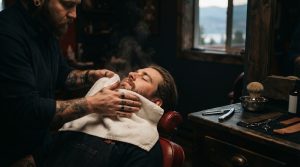
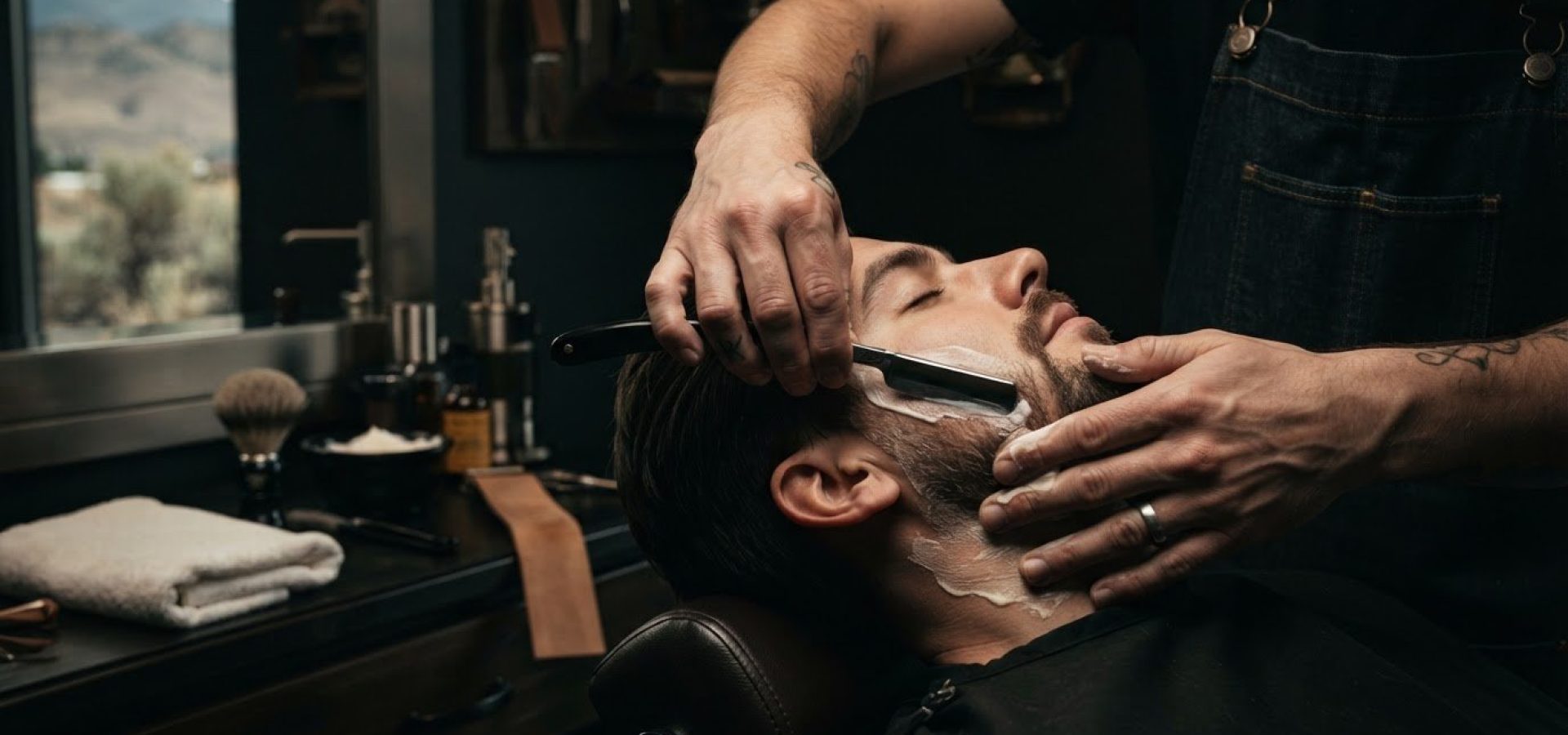
A barber prepares the skin and works carefully around the contours of the face. A hot towel is a familiar part of traditional shave experiences. It brings warmth to the service and helps create a relaxed start, though the exact preparation and shaving steps can differ.
The barber may apply a lather or another shaving product before making controlled passes with the blade. The aim is to remove facial hair while following the shape and growth of the beard. The service may finish with post-shave care. There isn’t one universal sequence, and a straight shave doesn’t guarantee a particular level of closeness or comfort.
For guests, the useful distinction is simple: the razor tells you what kind of tool may be involved; the service describes the barber’s overall approach. At Straight 8 Barbers, hot towel shaves offer a traditional barbering experience in Kamloops and Vernon. “Hot towel shave” identifies the service, but doesn’t specify a particular razor or technique.
How a Straight Shave Works: From Skin Preparation to the Final Pass
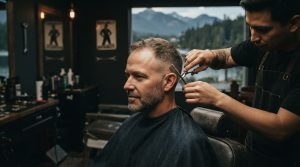
A barber shave is more than a blade moving across the face. The barber considers your skin and facial hair, prepares the area, then shaves carefully and finishes with post-shave attention. The routine can vary, but a straight shave generally involves deliberate steps rather than a rushed pass.
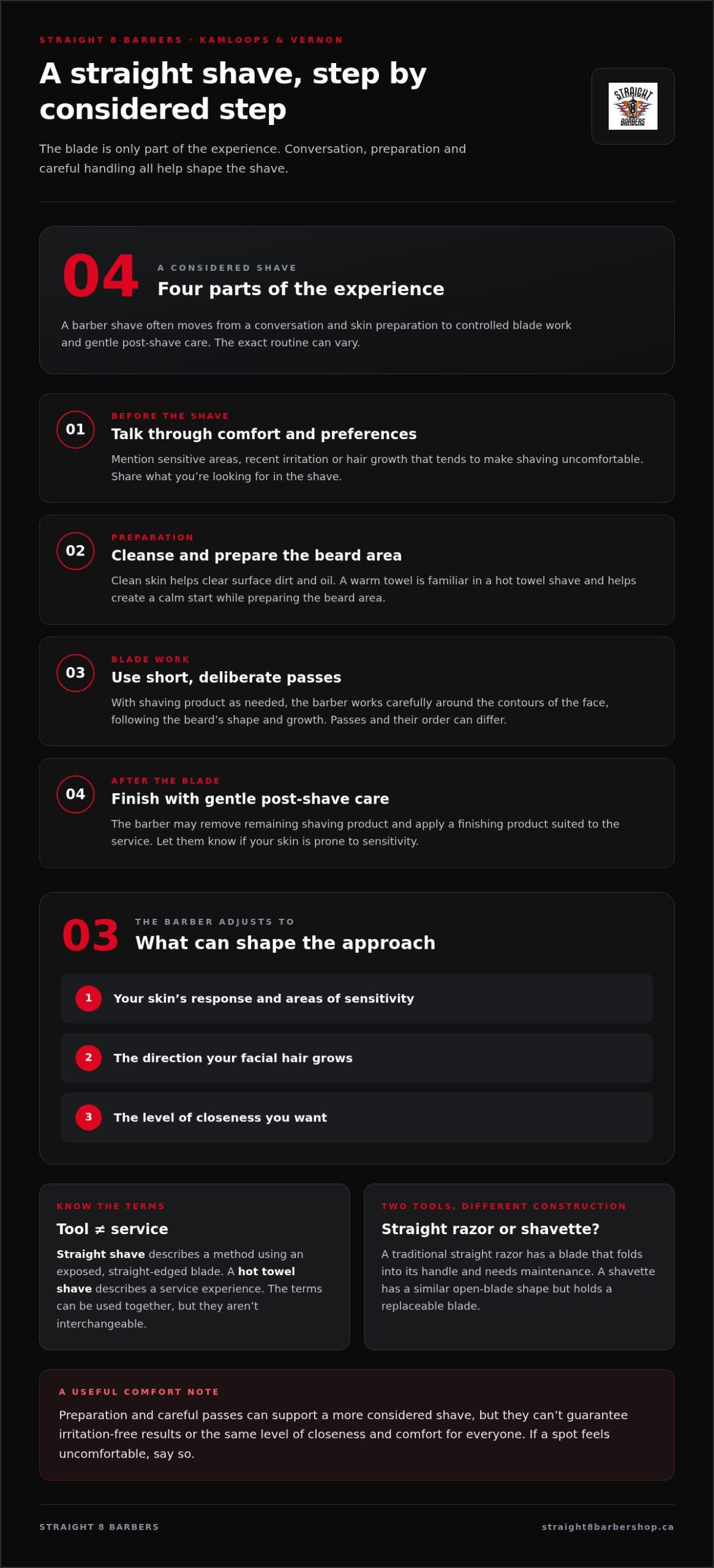
In brief, a barber shave usually moves from a conversation and skin preparation to controlled shaving and gentle post-shave care.
Why preparation matters before the blade touches skin
The service can begin with a short conversation about what you’re looking for and any skin concerns that might affect comfort. Mention areas that feel sensitive, recent irritation or places where your hair grows in a direction that tends to make shaving uncomfortable. This gives the barber useful context before the shave begins.
Clean skin helps clear away surface dirt and oil, while softened facial hair can be easier to shave. A warm towel is a familiar preparation step in a hot towel shave. Its warmth makes the opening part of the service feel calm and comfortable while helping prepare the beard area. Preparation can support a more considered shave, but it can’t rule out irritation or a nick. For more about the role of warmth, explore our article on what a warm towel does for skin.
What happens during and after the shave?
Once the skin is prepared, the barber applies a shaving product as needed and works carefully across the area being shaved. The blade movements are short and deliberate, allowing the barber to follow the contours of your face rather than making broad, hurried strokes. You can relax while the professional manages the tool and adjusts to the shape of your jaw, chin and neck.
The order of the shave and number of passes can differ by barber, service and area. Hair direction, skin response and the level of closeness you want can all affect the approach. A careful process doesn’t mean the result will feel identical for everyone. If a spot feels uncomfortable, say so. Clear communication helps the barber respond to your comfort during the service.
After the blade work, gentle post-shave care helps bring the appointment to a comfortable close. The barber may remove leftover shaving product and apply a finishing product suited to the service. If your skin is prone to sensitivity, mention that before the shave so the barber understands your preference. You don’t need to know the technical details or direct each movement. The barber’s role is to guide the service and work with care.
If you’d like to experience this traditional service, Straight 8 Barbers offers hot towel shaves in Kamloops and Vernon. You can book a hot towel shave and enjoy a professional shave with the preparation and attention that make the service feel unhurried.
Straight Shave vs. Cartridge or Safety Razor: What Changes?
The main difference is the blade format and how it’s handled. A straight-edge shave uses an exposed blade, while cartridge and safety razors hold the blade within a head or guard. A straight shave can use a traditional straight razor or a shavette, so the phrase doesn’t point to one exact tool. The comparison below describes common differences, not guaranteed results.
| Razor type | Blade format | Control and learning curve | Typical use |
|---|---|---|---|
| Straight razor or shavette | Exposed, straight-edged blade; a shavette holds a replaceable blade. | Requires deliberate handling. Learning to use one at home can take practice. | Professional barber shaves and, for those who learn the technique, home shaving. |
| Cartridge razor | A head with one or more blades, often designed to pivot. | The head guides the blade across the skin, though technique and pressure still matter. | Commonly used for regular at-home shaving. |
| Safety razor | A replaceable blade sits in a guarded head. | Requires a steady angle and light handling; the feel differs from a cartridge. | Often used at home by people who prefer a reusable handle and replaceable blades. |
These are broad descriptions. Designs vary within each category, and a barber’s service is different from shaving at home. In a professional shave, the barber manages the blade and pace of the service. At home, you control the preparation, pressure and time.
What might feel different about a straight shave?
An exposed blade feels different from a cartridge head that covers or guides its blades. A barber may work at a measured pace, adjusting to your face rather than moving quickly through a routine. That deliberate approach doesn’t guarantee a closer shave. Results depend on technique, hair growth, skin and personal preference.
Trying a barber shave for the first time? Mention any concerns before the service starts. Tell the barber where your skin tends to feel sensitive, or simply say you’re new to the experience. That gives the barber a chance to understand your comfort level and explain what to expect.
Does a straight shave suit every face and routine?
There’s no single best choice for everyone. Someone who shaves often may prefer the tool and pace that fit easily into their routine. The direction and texture of facial hair, how quickly it grows back and how your skin responds can all shape your preference. A razor that feels comfortable for one person may not feel the same for another.
If you have persistent skin concerns, seek appropriate health advice rather than expecting a change in shaving method to resolve them. A barber can take your preferences into account during a service, but can’t diagnose a skin condition or promise irritation-free results.
Preparing for a Straight Shave and Skin Aftercare
A little preparation can make a barber appointment feel more comfortable. You don’t need to bring a razor, blades or shaving products. Arrive with clean skin if convenient, and be ready to share anything that could affect how the shave feels. The barber guides the service, while your feedback helps them understand your preferences.
What to tell your barber before the shave
Keep the conversation simple. Mention sensitive areas, past irritation or a finish you prefer, such as leaving a little stubble instead of aiming for a very close result. If this is your first straight shave, say so. You don’t need special terms to explain what you like or what makes you uneasy.
- Arrive with clean skin, without scrubbing or trying a new product just before the appointment.
- Point out areas that tend to feel tender or become irritated after shaving.
- Share your preferred finish and whether you’re new to a barber shave.
- Speak up if anything feels uncomfortable during the service.
There’s no need to bring your own shaving tools for a barber service. If you use a particular product at home and know your skin reacts to it, mentioning that can help the conversation. The aim isn’t to prepare perfectly. It’s to give the barber a clear sense of your comfort and expectations.
Simple aftercare for freshly shaved skin
After the shave, treat the area gently. If you wash your face, use a mild approach and avoid harsh scrubbing or rubbing with a towel. Unnecessary friction can feel uncomfortable on freshly shaved skin. If you already have a simple routine that suits you, there’s no need to add several new products at once.
Skin response varies. You might notice little change, or your skin may feel temporarily more sensitive. There’s no guaranteed recov